


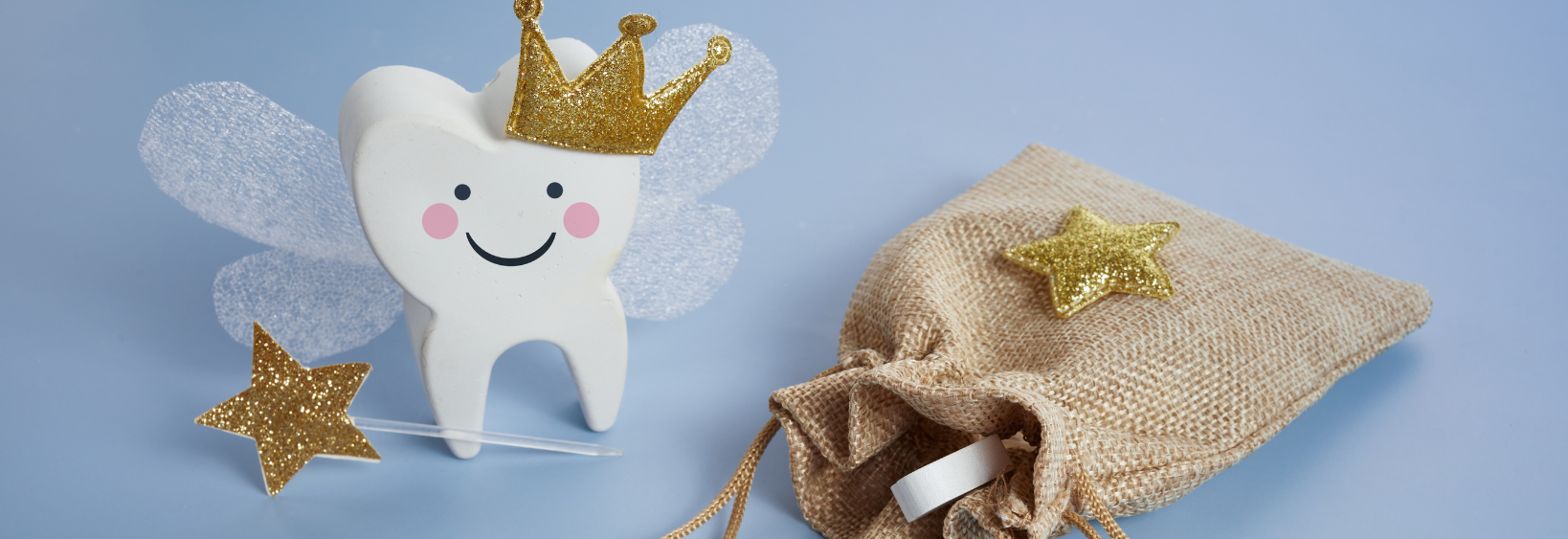
Losing a tooth is one of those universal milestones that nearly every child experiences. For many, it’s an exciting event, not just because of the new adult tooth growing in, but because of a magical tradition that follows: the visit from the Tooth Fairy. Whether you’re a parent passing on this cherished ritual or an adult remembering the magic from your own childhood, the Tooth Fairy is a delightful figure that brings a sense of wonder and excitement.
But where did the tradition of the Tooth Fairy come from, and how do different cultures celebrate this whimsical visitor? Let’s explore the origins, customs, and global variations of this charming tradition.
The Origins of the Tooth Fairy
The Tooth Fairy, as we know her today, is a relatively recent development in folklore. Her origins can be traced back to Western Europe in the early 20th century, but the roots of the tradition stretch further back in history.
-
The Norse Influence: In Scandinavia, children’s teeth were believed to bring good luck. Norse children would often bury their lost teeth in the ground or place them in a mouse hole, hoping that the teeth would grow into stronger, healthier ones. This practice gave rise to the tradition of rewarding children for losing teeth.
-
The “Tooth Mouse”: In many parts of Europe, especially in Spain, France, and Latin America, the tradition revolves around a little “tooth mouse” (known as “Ratoncito Pérez” in Spanish-speaking countries). This mouse would come to take the lost tooth and leave a small gift, often money, in return. Over time, the Tooth Fairy replaced the mouse in the English-speaking world.
-
The American Tooth Fairy: The specific figure of the Tooth Fairy, as we know her in American folklore, began to emerge in the early 20th century, likely influenced by a combination of the tooth mouse and earlier fairy lore. The fairy is often depicted as a small, winged creature who visits children while they sleep, exchanging a lost tooth for a coin or small gift, leaving behind a touch of magic in the process.
Tooth Fairy Traditions Around the World
While the Tooth Fairy is a beloved character in many Western cultures, other parts of the world have their own unique ways of handling the loss of a tooth. Let’s take a look at how different cultures celebrate this milestone.
1. United States & Canada
In North America, the Tooth Fairy is a beloved figure. Typically, when a child loses a tooth, they place it under their pillow at night, and in the morning, they wake up to find money, a small gift, or even a note from the Tooth Fairy. The amount left varies, but it’s often a small coin or a few dollars, depending on the region and family traditions. Some families even incorporate special “Tooth Fairy” ceremonies, where parents help their children say goodbye to their lost tooth with a little story or explanation.
2. Mexico and Latin America (Ratoncito Pérez)
In countries like Mexico and Argentina, children place their lost teeth under the pillow for “Ratoncito Pérez,” a mouse who collects the tooth and leaves a small gift. In some cultures, Ratoncito Pérez is also depicted as a wise figure who helps guide the child toward maturity. Stories about Ratoncito Pérez have become so well-loved that they have inspired children’s books and adaptations.
3. United Kingdom
In the UK, children also place their lost teeth under their pillows, but the tradition often doesn’t involve a fairy. Instead, the “Tooth Fairy” might be referred to simply as “The Tooth Fairy” or “Tooth Fairy Elf.” The tradition is similar, though the role may differ slightly from the American Tooth Fairy, with less emphasis on fantasy and more on the excitement of the tooth exchange.
4. India
In India, the tooth-losing tradition varies widely by region. In some areas, children are encouraged to throw their lost teeth onto the roof of their house or into the sky, as it is believed that this will help the new tooth grow stronger. In some parts, children may place their lost teeth under a pillow, but rather than expecting money, they might receive blessings or prayers for good health.
5. Japan
In Japan, there is a more practical tradition where children throw their lost lower teeth onto the roof and their upper teeth into the ground. The belief is that this will encourage the new tooth to grow in properly. Japanese traditions also often include stories about ogres (Oni) or other mythical figures who take the teeth away.
6. Philippines
In the Philippines, children may throw their lost teeth onto the roof or into a neighbor’s yard, accompanied by a wish for strong, healthy adult teeth. Similar to Japanese traditions, this practice symbolizes growth and transition.
The Tooth Fairy Today
As cultures evolve, so too do the traditions that surround the Tooth Fairy. Many families now incorporate the Tooth Fairy into their digital age by leaving personalized notes from the fairy, using special Tooth Fairy “coins,” or even creating elaborate fairy-themed gifts to surprise their children. Social media has also allowed for an outpouring of creativity, with parents posting photos of “fairy dust” or special Tooth Fairy-themed activities.
For some, the Tooth Fairy represents not only a tradition but a chance to infuse magic into childhood. It’s an opportunity to bring families closer together through storytelling and a shared sense of wonder. The Tooth Fairy can symbolize the transition from childhood to adolescence, marking the end of the baby years and the beginning of the growing-up process.
If you’re a parent looking to make the Tooth Fairy experience extra special for your child, here are a few tips:
-
Create a Tooth Fairy Letter: Write a short note from the Tooth Fairy to your child. It can express congratulations, offer a little advice, or simply say how proud the fairy is of them.
-
Leave Special Tooth Fairy “Dust”: Sprinkle a little glitter around the pillow, or leave behind some sparkly fairy dust for an added touch of magic.
-
Make the Exchange Meaningful: Instead of just leaving money, consider a small gift related to their interests. A favorite pencil, a tiny toy, or even a sticker can make the exchange more personal and fun.
-
Record the Event: Take a photo of your child’s excited face after they find their tooth’s replacement. These moments make great memories!
Whether you’re following the classic Tooth Fairy tradition or embracing a local variation, this magical ritual brings joy and excitement to children around the world. The Tooth Fairy represents more than just the exchange of a tooth for a gift — she celebrates growth, change, and the wonder of childhood. So, next time your child loses a tooth, take a moment to enjoy the magic and delight that this age-old tradition brings to your home.