


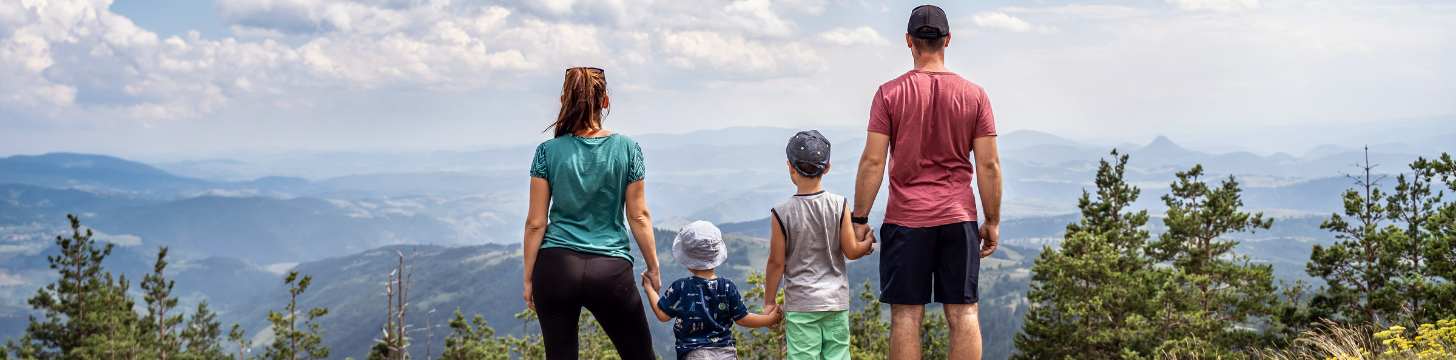
How often do you spend time outdoors with the kids? Nature provides many lifelong benefits to all ages, including primarily physical health related, but hugely also mental health. Now for our children, aside from the obvious, creativity and learning along with Vitamin D exposure truly help their curiosity, anxiety as well as with stress levels.
Introducing different natural environments to children can help them think beyond their immediate surroundings and build well-rounded perspectives. A lot of recent homeschooling alternatives involve a large percentage of time spent on nature-based learning.
Do you know the true benefits of spending time in nature?
-
It builds confidence. Playing in nature allows kinds to free play, without any structure, just indulging in the outdoor environments and using them to entertain themselves. Gives them a blank space to use their imagination and invent play.
-
It teaches responsibility. Teaching kids about nature, how it lives, what it needs, and how we can protect it really helps them become accountable for what happens around them. Things such as watering plants, apple picking are great activities.
-
It provides different stimulation. When in nature, we see, hear and smell very different things than when we are indoors. Therefore exposing children to these helps stimulate their senses in exploring.


-
It gets kids moving. And now for the obvious, when outdoors kids most often run, jump, hop, climb, therefore the are so much more physically active than indoors. It is simple exercise you provide them with, no need to bike ride, rollerblade or be on a soccer team, just find a trail close to home.
-
It makes them think. Being in nature is the best place to stimulate your kids to think and ask – about the plants, birds, soil, trees, anything they see! You will find yourself having the deepest chats with your kids when simply walking around in nature.
-
It reduces stress and fatigue. Being in nature helps us all disconnect, from technology, responsibility, other influences. When in nature, our kids can focus better, and overall feel more relaxed simply just being there. In natural environments, we practice an effortless type of attention known as soft fascination that creates feelings of pleasure, not fatigue.